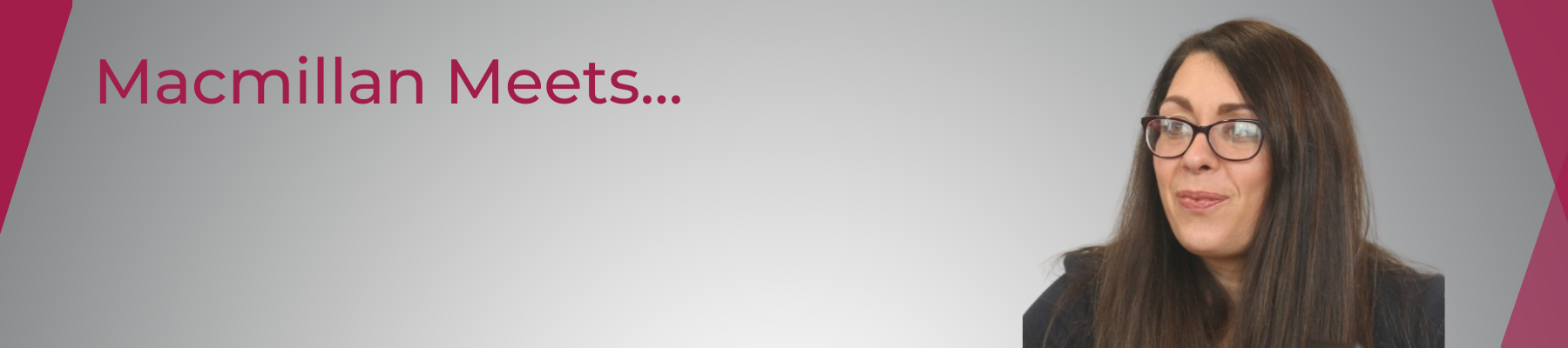
Macmillan Meets… Sarah Brooks-Pearce, Head of Early Careers and Disability and Neurodiversity Network Lead at Autotrader
Tue, January 30, 2024
In this issue of ‘Macmillan Meets...’ Kerry White speaks to Sarah Brooks-Pearce, Head of Early Careers and Disability and Neurodiversity Network Lead at Autotrader. Together, they discuss her career to date, the importance of raising awareness of neurodiversity in the workplace, as well as some of the tools and tactics she has implemented at Autotrader to support neurodiverse employees.
Tell me about your career to date.
I started my career as an Apprentice, what feels like a very long time ago, which led to my discovery and interest in the people element of the business; the people who enable people to be hired, developed, and grow felt like the place I wanted to be.
I started my People career in Resourcing in a telecoms business and quickly discovered my love for the technical and engineering side of the business. With so many different things to learn, I really enjoyed the constant change and pace, communicating with a diverse customer group with a real “straightforward approach” and let's not forget constantly overcoming the challenges of skills shortages. This gave me the opportunity to be creative in my approach, and I’ve been super fortunate to work for businesses that empower trust and the ability to try new things.
I then moved into a broader talent role, before I started my current role where I focus predominately on early careers. I also had the opportunity to co-lead our Disability and Neurodiversity Network which we launched in 2018, and very recently launched our Social Mobility Network too.
Why is Neurodiversity so important to you?
I was part of the conversation on Neurodiversity before my own diagnosis. My story is often very similar to others with a later-in-life diagnosis. My son was diagnosed aged 5 with ADHD, and I’ve always felt that talent isn’t typical, it lives everywhere.
I’ve had a successful career, but always felt that I approached things differently. I was often given feedback that I wasn’t very professional, or that I fidgeted too much. I would avoid sending messages, preferring to talk to people so I didn’t make mistakes in emails, and if I did have to send an ‘important email’ or write an advert, assessment briefings, and even my CIPD assignments, I’d have to write it, then check it again the next day. I would ask colleagues or friends to check my work and often spellcheck or Google my word formation. As my career progressed, I worried more and more about my spelling and written communication. With the support of Auto Trader, I had a Dyslexia assessment and received a diagnosis of Dyslexia, Dyspraxia and a strong recommendation to have an ADHD assessment.
I spoke to my GP who put me on the waiting list, but from investigations found that I could have a private assessment and claim the diagnosis costs back from a Health Cashback plan I had through work.
Following the diagnosis, I did experience a period of what I can only describe as the mourning, and ‘what if’s’. Would I have gone to university or done better in exams at work? The list went on until I realised that, although there have been challenges, I began to recognise that they have also been my strengths and, ultimately, having this insight gave me my why.
Through my learnings, I have discovered that there are many barriers that people with a neurodifference typically must overcome, and we need to make changes. Businesses are missing out on many talented people, they employ many more who may be undiagnosed, going through a diagnosis, or are nervous to share.
Some of the things that help me be at my best are small changes. A meeting agenda, a little message if I’ve not arrived for a Teams meeting, or letting me know if I’ve raced ahead. I also use Grammarly and Read/Write which massively helps me with constructing written messages and work. Everybody experiences neurodifference differently; what works for me may not work for someone else with the same diagnosis.
There have been a few people in the public eye discussing their recent ADHD diagnosis in the media which surely is a good thing. However, when it comes to adult diagnoses, why does there seem to be a trend of people having to request an assessment rather than it being picked up independently by, say, the Health Service?
I can only speak from my own experience, and no medical or education professional ever mentioned that I might be neurodivergent. I do believe awareness is a big part, both for the individual and professionals, and I think it's great that the conversations are out there, and understanding and awareness are increasing.
This is why weeks such as this week – Neurodiversity Celebration Week - is so important. I have read that many of the medical models were originally developed for men, which could be one of the reasons women are often undiagnosed until adulthood. I also think that masking doesn’t help professionals with missing behaviours etc. I also have read that the structure we have in childhood can help, and it’s as we get older and pick up responsibilities it's harder to manage. I can massively relate to this.
I think that as well as the growing narrative within the workplace and the profile raising of Neurodiversity at work is fantastic; the number of high-profile celebrities and business professionals sharing their diagnoses is also having a positive impact.
As a business, Auto Trader is trailblazing in supporting Neurodiverse employees and their families; what tools and tactics have you implemented across the business?
I am not sure we can take that title, but we are always learning as we don’t always get it right. A big part of what we do at Auto Trader is from the amazing work of our colleagues in our employee networks. Through sharing our learnings, storytelling and supporting each other, we’ve all learned so much. We’ve worked closely with charity partners and take advice from specialist organisations.
We worked firstly with the National Autistic Society which taught us so much. They supported us with an environmental audit, reviewed communications, attraction, assessment and selection processes and policies, and yes, some of the recommendations we were restricted implementing as we are in a shared building, but also many of the recommendations were simple things to implement, such as the examples that help me.
One of the things we implemented was clear signage and included number sequences in meeting rooms. Our biggest learning through the training workshops is how everyone is different and to ask, not to assume, what works for one person will work for another. Some of the changes they suggested were beneficial for everyone, such as only being able to eat snacks at desks, and any hot food or heavily smelling food must be eaten in the canteen. This reduced sensory smell challenges and also encouraged time away from desks and regular breaks.
How can businesses ensure they are inclusive to neurodiverse talent throughout their recruitment and onboarding processes?
We’re still always learning and asking for feedback, but some of the things our wonderful Resourcing team has implemented are:
- Clear communications, including details on the assessment process and information about the office
- Being a Disability Confident Leader and offering DC Guaranteed Interview
- Checking with the candidate at each stage about any adjustments or support they may need
- Offering the candidate the opportunity to experience the environment and ask any questions they may have
- All interviewers need to attend our in-house Inclusive Recruitment workshop
- For Early Careers roles, the team has produced lots of content outlining the process including step-by-step guides
- Our incredible colleagues have shared their stories which are accessible on our careers site
There’s a quote I always like to recall from Atif Choudhury, “The future of neurodiversity inclusion isn’t in disclosure. It’s not even in sharing. It’s about inclusive, accessible support for all. No one wants to be a reasonable adjustment. They just want to be welcomed.” I think this puts it perfectly and is the goal we should all be aspiring for.
What advice would you give to organisations on what additional steps they can take to support and engage with neurodiverse talent?
Speak to your colleagues:
- Be open and prepared to learn, (you may make mistakes along the way but only with the best intent)
- If someone shares, listen
- Look for opportunities to bring back in best practice if it's not there – things like:
- Scheduled breaks in long meetings
- Being kind to colleagues and avoiding back-to-back meetings, even 15 minutes between would be lovely
- Set agendas
- Clear comms
- Share notes and actions from meetings
- Team lunches every day are great for some people, but others may prefer the option to eat alone, go for a walk, or read. Let people know that can say no if invited
- Help new employees navigate the little customs you may have, like brewing up for the team or just yourself
- These are all things that actually are super useful for everyone but sometimes some of these fab habits slip
Be open, be kind, recognise the challenges, the difference and also celebrate strengths.
Utilise all the incredible resources that are out there:
- Neurodiversity at workbook by Amanda Kirby & Theo Smith
- Do It Profile – Amanda Kirby
- ADHD Foundation
- National Autistic Society
- Business Disability Forum
- Genius Within
- Ambitious About Autism
- Lexxic
- Neurodiversity in Business
- If in Great Manchester, look out for GM Learning Disability and Neurodiversity Employer Network Events
Get in touch
Should you wish to have a confidential chat with Kerry White to discuss the current HR market or your search for work/recruiting into your team, please contact her directly at kwhite@mdhr.co.uk
To ensure you don’t miss any updates from Macmillan Davies and to hear about our latest events click here to sign up to subscribe to our updates.