Navigating pay pressures in 2025: Challenges and opportunities for employers
Tue, February 04, 2025
As we step into 2025, HR and reward teams are gearing up for yet another dynamic and demanding year. With tighter budgets clashing against the rising need to attract and retain top talent, the challenges are stacking up – and the stakes have never been higher. Amy Mottershead, Senior Consultant at Macmillan Davies, dives into what this means for organisations and how they can rise to the occasion.
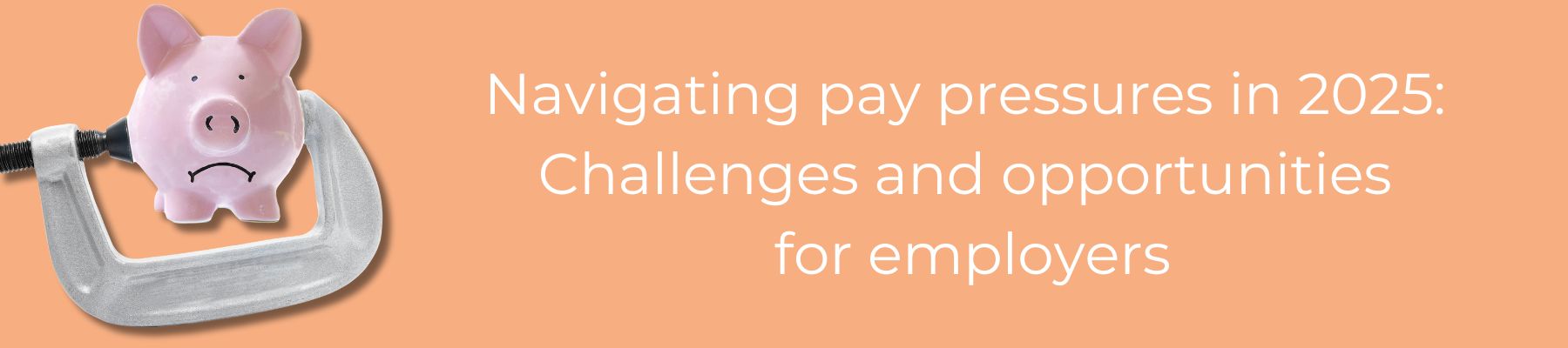
Back in November 2024, I discussed the importance of a creative benefits package (click here to read the full article) and 2025 is going to be no different. April’s National Living Wage (NLW) increase might bring a little cheer to lower earners, but the accompanying rise in National Insurance contributions? Not so much. These dual pressures are stretching pay pots to their limits and forcing businesses to get creative with how they reward and motivate their people. It’s time to think big, think smart, and keep employees on board – because standing still just isn’t an option.
Reassessing pay structures
Let’s face it: wage compression is the elephant in the room for many organisations. Years of NLW increases have narrowed pay differentials, putting strain on traditional pay structures. One common strategy has been the simplification of grading systems. Consolidating pay grades and introducing broader pay bands can alleviate wage compression and allow for progression within roles without the need for promotions.
And let’s not forget the chaos of the past few years. From the pandemic to political rollercoasters and economic uncertainty, rigid pay structures have been pushed to breaking point. Businesses need to be flexible to keep up with the pace of change – and with new legislation on the horizon, it’s time to adapt or get left behind.
Funding pay progression in a constrained environment
Even as inflation begins to ease, the cost of living remains a pressing concern for many – turning this year’s pay review season into a delicate balancing act. With squeezed budgets, tough calls lie ahead. Should you prioritise keeping up with market rates? Reward your top performers with standout increases? Or focus on moving people along their pay ranges? The answer will depend on your business, but one thing’s for sure: every penny counts.
In 2024, 86% of HR professionals received a pay rise, but it remains to be seen whether that will be the case in 2025. Recent pay trends research already shows the impact of rising employer NI contributions. A third of businesses say it’s already denting their pay review plans, and over a third are still undecided about what to do. The challenge is clear: making limited funds stretch far enough to reward talent while staying competitive in the market.
Prioritising transparent communication
When budgets are tight, talking about pay can feel like walking a tightrope. But here’s the thing – employees want to know what’s going on. Without clear communication, people will fill the silence with their own (often incorrect) conclusions. Transparency isn’t just a nice-to-have; it’s the key to building trust, even when the news isn’t what people hoped for.
Open conversations about pay, even when budgets are limited, can help foster trust. Without clear explanations, employees are likely to draw their own conclusions, often leading to dissatisfaction. To address this, organisations must equip managers with the training and tools needed to have honest, empathetic discussions about pay.
Rethinking benefits and flexibility
In addition to pay, benefits are under increasing scrutiny as organisations aim to maximise their return on investment in a post-pandemic world. With costs rising, lavish new perks might not be on the cards, but there’s still plenty of opportunity to realign what you offer with the needs of today’s workforce. Hybrid working has reshaped expectations, so why not focus on flexibility and work/life balance? These are low-cost, high-impact levers to pull when budgets are tight. (Click here to read about how Macmillan Daies implemented a 9-day fortnight!)
Interestingly, while flexibility remains a significant attraction lever, some organisations are simultaneously advocating for a return to the office for a minimum number of days. How this tension unfolds will be pivotal in 2025, especially as work/life balance becomes an increasingly critical factor in the war for talent.
Thriving in 2025: It’s all about the mix
As we explored in our previous article, a competitive benefits package is a crucial part of the talent puzzle. But in 2025, it’s not just about perks. It’s about being creative, transparent, and flexible with your approach to pay and progression. By embracing change and focusing on what really matters to employees, businesses can thrive – even in challenging times.
At Macmillan Davies, we’re here to help you navigate this ever-changing landscape. From bespoke reward strategies to building better communication practices, we’ll help you find the right balance to keep your people happy and your business moving forward.
Upcoming events
We are hosting numerous events and roundtables for HR professionals throughout 2025, including specific roundtables covering pay, reward and recognition. If you’re interested in attending, please let us know by emailing roundtables@mdhr.co.uk
Get in touch
If you would like to discuss the above, or your search for work/recruiting into your team please contact Amy Mottershead directly at amottershead@mdhr.co.uk
To ensure you don’t miss any updates from Macmillan Davies and to hear about our latest events click here to sign up to subscribe to our updates.