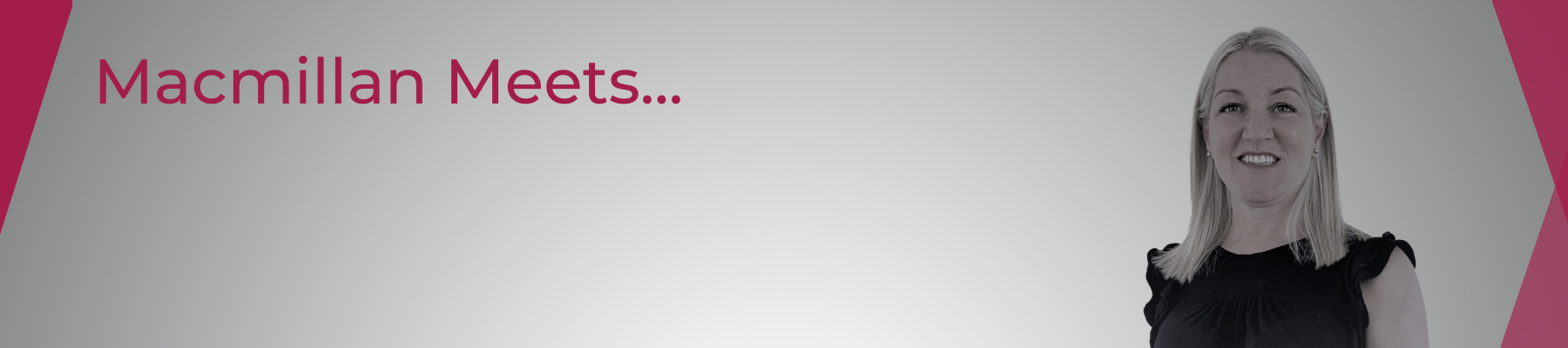
Macmillan Davies Meets… Lisa Pearl, People Director at Anchor
Tue, January 03, 2023
In our next instalment of our ‘Macmillan Meets…’ interview series, Kerry White talks to Lisa Pearl, People Director at Anchor. Lisa has a track record of success leading large HR functions across a number of sectors including education, social care, housing and retail. Together they discuss the challenges facing the care and social housing sector, the culture change programme being undertaken at Anchor, and the innovative approach to engaging their workforce.
Can you tell us about your career to date?
I started out in retail operations but soon noticed that I had a deep interest in people performance, behaviours and dynamics. I got more involved in Training & Development and moved into generalist HR quite quickly. I returned to university to do the CIPD and progressed from there. I’ve been fortunate to work in some great organisations with huge change agendas and have enjoyed seeing cultures develop and People functions evolve into true strategic partners.
The Co-op gave me my first real break and having performed Head of HR roles and Strategic Business Partner roles across various parts of the business, including Funeralcare (fascinating business!), I was encouraged by the Group Talent Director to consider joining the HRLT in Food Group. This was one of my favourite roles. This gave me a real insight into organisational strategy and where HR can add value. As Head of Strategic Business Partnering, I have fond memories of supporting the True North strategy which saw the turnaround of Co-operative Food.
Eventually, I realised I was ready for my first number 1 job and the opportunity came up at AQA. They hadn’t previously had a HRD and I was tasked with creating the People Plan and transforming the HR & OD function into a value-add, strategic partner. I was quickly invited to join the Executive Board and as well as implementing the people strategy, I led a culture change programme and eventually played a pivotal role in helping to navigate the pandemic and the impact it had on exams and the children who sat them. After 6 years, it was time for a change of sector and joining Anchor as Director of HR & OD was initially a very humbling experience. The horrors that the care sector faced during the pandemic are still very real today and people are still affected by it. My role is largely focused on leading the people agenda where leadership accountability in driving the right culture to ensure colleagues feel valued and well-supported is paramount.
What is occupying your headspace at the moment?
The long-standing challenges that face the care and social housing sector are very real and have been amplified by the pandemic. Recruiting enough of the right kind of people and keeping them is a top priority. It takes a very special kind of skill set to look after our residents well and getting the reward and recognition right for these roles is vital. The sector continues trying hard to get sufficient levels of investment from the UK Government both to enable attractive pay packages, but also to ensure professional development. Anchor has chosen to invest significantly in its workforce, but employers simply cannot do this alone and need the right backing.
For what reason is the culture change programme being undertaken at Anchor?
At Anchor we’re looking at better ways to lead and collaborate, to innovate, and to remove any barriers that distract our colleagues from providing the very best care to our residents. The Employer Value Proposition now has more focus than it ever has before. In the current market, discerning candidates have more choices, and they know it. In this volatile world, that psychological contract is more important than ever, and people are looking to work in an environment that offers trust, inclusion, well-being, and social responsibility. The workforce expects something different from leaders today – more connection and compassion. Leaders have real accountability in creating an environment where people feel truly valued and are, in turn, prepared to give their very best performance.
In organisations you’ve worked in, you’ve always been passionate about working in innovative ways. What approach are you taking for the transformation and the culture shift at Anchor?
You have to assess existing culture to be able to identify ways to move towards your desired culture. We are fortunate to have a very engaged workforce, but engagement surveys don’t always allow you to go deep enough to get the right data and insight. We recently used a crowd-sourcing approach and introduced a ‘culture crowd platform’ which enabled colleagues to share their stories, experiences, and views about working with us – and most importantly, identify anything that is getting in the way of excellent customer service and care provision. We have been able to develop some themes that will help us to create a plan to harness all the great things that exist in Anchor’s culture currently and address the opportunities to enable us to deliver our business plan through our people in the most effective and efficient way.
What approach are you taking to ensure you get buy-in from your leadership team?
We’ve made the culture development plan an integral part of our leadership development programme. One of the programme’s key objectives is to articulate our desired culture and drive it throughout the business. One of the ways we really captured the attention of our leadership team was to convey the themes from the culture crowd by using actors in a ‘Verbatim Theatre’ – it brought the voices of our colleagues into the room in a really powerful way.
You have many diverse and sub-cultures within your business, you obviously don’t want to lose or isolate these, how are you ensuring you retain these during the transformation and beyond?
It’s important we recognise what is important to the different parts of our business and preserve what works well. Culture can look different even at the individual care home level – and this is often a good thing. We don’t want to lose the passion and dedication we see in our workforce. We have different opportunities in our Housing operation. We are reviewing our service offer which will focus on enabling our residents to get the right, timely support but in a more digitally enabled way. This will mean significant change for our colleagues and the challenge is again about maintaining engagement and commitment whilst landing change in an empathetic way. The culture project will look at creating an over-arching way of doing things, which incorporates our values, and is meaningful to all colleagues.
How have you been able to instil reciprocal trust in your workforce?
We make a link between trust and two of our values – Respect and Honesty. We recognise that a high level of trust creates a more positive employee experience. It also leads to a more productive workplace where people feel safe and respected. We promote this through our leadership programmes (our values run through every part of it and we encourage authentic leadership), our EDI strategy (we strive to create an environment where people feel they can be their authentic selves – our reverse mentoring programme for senior leaders has supported this), our communications and our People Plan. We are also careful to demonstrate how well we have listened to our colleagues by being overt about the actions we have taken to address any concerns or feedback. I anticipate that trust will feature strongly in our ongoing discussions about our culture.
As a business Anchor promotes flexible working - from fully remote to onsite workers, how do you make this work?
It’s about recognising that it will look different in various parts of the business and striving to find creative ways that will both suit individuals and the smooth running of the business. It forms a fundamental part of our EVP, and we recognise that in today’s context it will need to stay high on the agenda and under constant review.
And finally, for an organisation about to go through a culture transformation, what would your three bits of advice be?
1. You can’t do it without having your executive team and senior leadership aligned and fully on board.
2. Be careful to engage your workforce fully and genuinely listen to what’s happening out there.
3. Be realistic about timescales – it takes years to fully embed a different culture.
Get in touch
Should you wish to have a confidential chat with Kerry White to discuss the current HR market or your search for work/recruiting into your team, please contact her directly at kwhite@mdhr.co.uk
To ensure you don’t miss any updates from Macmillan Davies and to hear about our latest events click here to sign up to subscribe to our updates.